Understanding the psychological triggers that influence gambling behavior
The Appeal of Gambling: Why People Play
The allure of gambling can often be attributed to various psychological triggers that entice individuals to engage in this activity. One of the most significant factors is the thrill and excitement associated with the potential for a big win. The unpredictable nature of games, such as slot machines and card tables, creates a sense of anticipation, often likened to a rollercoaster ride. This rush can lead individuals to chase the high of a win, creating a powerful psychological attachment to the experience. For a more enriching experience, many players choose platforms like BreakWin, which cater specifically to Australian gamers.

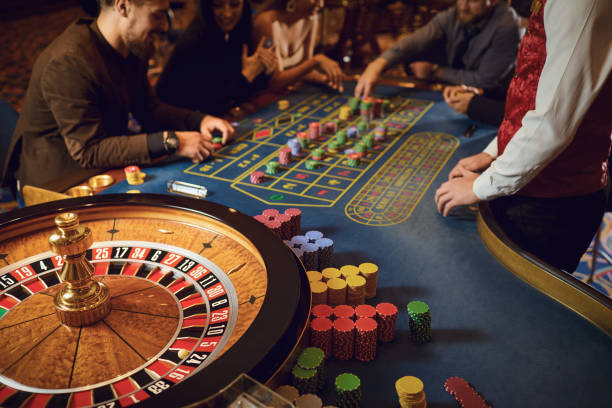
Moreover, gambling environments are strategically designed to amplify this appeal. Bright lights, enticing sounds, and the layout of casinos are all tailored to stimulate the senses, drawing players into a world where they can momentarily escape their everyday lives. This sensory overload can heighten emotional responses, making it easy for individuals to lose track of time and money in pursuit of that elusive jackpot.
The social aspect of gambling also plays a crucial role in its appeal. Many individuals find enjoyment in sharing the experience with friends or even strangers, creating a communal atmosphere that can be very engaging. This social interaction reinforces positive emotions associated with gambling, contributing to a cycle where players are drawn back time and again, hoping to replicate that feeling of camaraderie and excitement.
Cognitive Biases and Decision-Making in Gambling
Cognitive biases significantly influence gambling behavior, shaping how individuals perceive risks and rewards. For example, the illusion of control is a common bias where players believe they can influence the outcome of games that are inherently random. This misconception can lead gamblers to make poor decisions, such as betting larger amounts in the hope of exerting control over the game. Understanding this bias is essential for both players and operators to promote responsible gambling practices.
Another relevant cognitive bias is the availability heuristic, where individuals judge the likelihood of an event based on how easily examples come to mind. Gamblers may recall instances where they or someone they know won big, mistakenly believing that such outcomes are more common than they are. This overestimation can encourage repeated gambling, despite the odds being stacked against the player. Recognizing these biases can help individuals make more informed choices when it comes to gambling.
Framing effects also play a role in how gambling decisions are made. If a player views a bet as a «chance to win» rather than a «risk of losing,» they are more likely to engage in gambling activities. This psychological framing can be manipulated by operators through marketing techniques and promotional strategies. By being aware of these cognitive biases, players can mitigate their impact and approach gambling in a more rational, responsible manner.
Emotional Triggers and Gambling Behavior
Emotions are a powerful motivator in gambling behavior. Many individuals turn to gambling as a way to cope with stress, anxiety, or even depression. The temporary relief that gambling can provide creates an emotional cycle where players return to the tables or machines to escape their feelings. This form of escapism can be detrimental, leading to addictive behaviors that are hard to break. Recognizing the underlying emotional triggers is vital for anyone looking to engage in responsible gambling.
The adrenaline rush associated with winning can further complicate this relationship. When individuals win, they often experience a surge of happiness and excitement, which reinforces the behavior and encourages them to continue playing. However, losses can lead to feelings of frustration and disappointment, prompting some players to gamble more in an attempt to recover their losses. This cycle of highs and lows can create a rollercoaster of emotions that can be difficult to manage.
Additionally, the concept of near misses—when a player is close to winning but ultimately loses—can also act as a potent emotional trigger. Near misses can be interpreted by the brain as victories, encouraging players to persist in their efforts. This can lead to continued gambling despite substantial losses, as players cling to the hope that they will eventually achieve that rewarding win. Addressing these emotional triggers is crucial for fostering a healthier gambling mindset.
The Role of Environment and Social Influences
The environment in which gambling occurs plays a significant role in influencing behavior. Casinos are often designed to be immersive, with an array of stimuli that keep players engaged. Features such as free drinks, comfortable seating, and continuous entertainment can create an atmosphere that feels welcoming and enjoyable. This carefully curated environment can lead to extended gambling sessions and increased expenditure, as players feel more inclined to stay and play.
Social influences also come into play when it comes to gambling behavior. Friends and family can affect an individual’s perception of gambling, either positively or negatively. For instance, if an individual is surrounded by friends who enjoy gambling, they may feel compelled to participate, viewing it as a social norm. Conversely, individuals who have friends or family members who have experienced negative consequences from gambling may be less inclined to engage in the activity. These social dynamics can significantly shape gambling behaviors.
Moreover, the advent of online gambling has transformed the way people interact with gambling environments. Online platforms provide convenience and accessibility, allowing users to gamble from the comfort of their homes. However, this ease of access can lead to impulsive decisions and a disconnection from the social consequences of gambling, further complicating responsible gambling practices. Understanding these environmental and social factors is vital for fostering safer gambling habits.
BreakWin Casino: Promoting Responsible Gambling
BreakWin Casino stands out as a platform that emphasizes responsible gaming, catering specifically to Australian players. By providing a wide array of gaming options, including slots and live dealer games, the casino aims to create a fun yet secure environment for users. The platform also promotes responsible gambling practices through educational resources, encouraging players to understand their limits and play within their means.
In addition to offering engaging games, BreakWin Casino implements effective measures to ensure the safety of its players. With secure banking options and fast payouts, users can enjoy peace of mind while gaming. The casino also provides tools that allow players to set limits on their deposits and wagers, helping to cultivate a healthier gaming experience. By prioritizing responsible gaming, BreakWin Casino aims to build a community where players can enjoy their favorite games without compromising their well-being.
Ultimately, understanding the psychological triggers that influence gambling behavior is essential for both players and operators. By fostering awareness of emotional, cognitive, and environmental factors, everyone can work towards a more responsible and enjoyable gambling experience. BreakWin Casino is committed to being part of this journey, ensuring that players can indulge in their passion for gaming while prioritizing safety and responsibility.